Earth Day (April 22) has always been a moment to reflect but this year, it’s also a call to act. It’s not about doing everything at once but recognising that consistent, collective action at home, at work and in our communities, all plays a part in driving change for the planet.
For Australians, that change shows up through simple but important choices: how we use energy, what we buy, what we throw away and how we connect with the natural world around us.
This Earth Day, here are six practical ways to give back to the planet and keep the momentum going all year round.
1. Switch to smarter energy at home
Energy use is one of the biggest drivers of household emissions. If you’ve been considering solar options for your home, this could be your sign to make the switch. Start with:
Switching to a renewable energy provider.
Upgrading to energy-efficient appliance.
Looking into rebates and incentive programs available in your state.
2. Tackle food waste in your household
Australians waste millions of tonnes of food each year, much of it still perfectly edible. By finding ways to reduce your food waste, you can immediately lower your environmental footprint while also saving yourself some money. Try:
Planning your meals before shopping to avoid excess
Storing food properly
Using leftovers creatively
3. Rethink your recycling habits
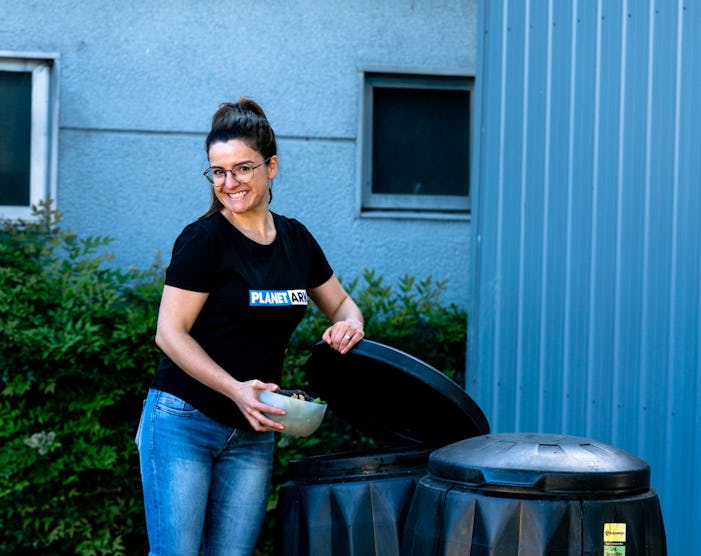
Composting at home can make a massive difference in reducing your household waste.
Recycling only works when it’s done right – when was the last time you checked your council recycling rules? Make it a point to check what can go into your kerbside bins, avoid “wish-cycling” and take advantage of drop-off programs for tricky items like e-waste and batteries.
Follow this simple guide on Recycling Near You for easy tips to help you recycling correctly at home, or visit our council pages to find specific rules in your local area.
4. Get involved in local community events
Whether it’s putting roots down at a tree planting or joining your local clean-up group, there’s something powerful about taking action for the planet alongside your community. National Tree Day is just a few months away, so why not consider hosting an event or joining one a local planting.
5. Buy less and choose better
Perhaps the most effective change you can make at home to reduce environmental impact is to consume less. Below are some questions to ask yourself before impulse buying:
Do I already own something similar?
Can I borrow, swap, repair or buy it secondhand?
Would I still think about buying this even after two weeks?
6. Support nature in your own backyard
You don’t need to live near a nature reserve to help biodiversity. Some simple ways to help include planting native species in your garden and creating habitat for birds and pollinators. Check out our planting guide to help you get started right at home!